notes from
the places we wander
sometimes it doesn’t fit in a glimmer. these are the things we found that went deep, or needed to be shown in a new way.
Wye Valley
5 field notes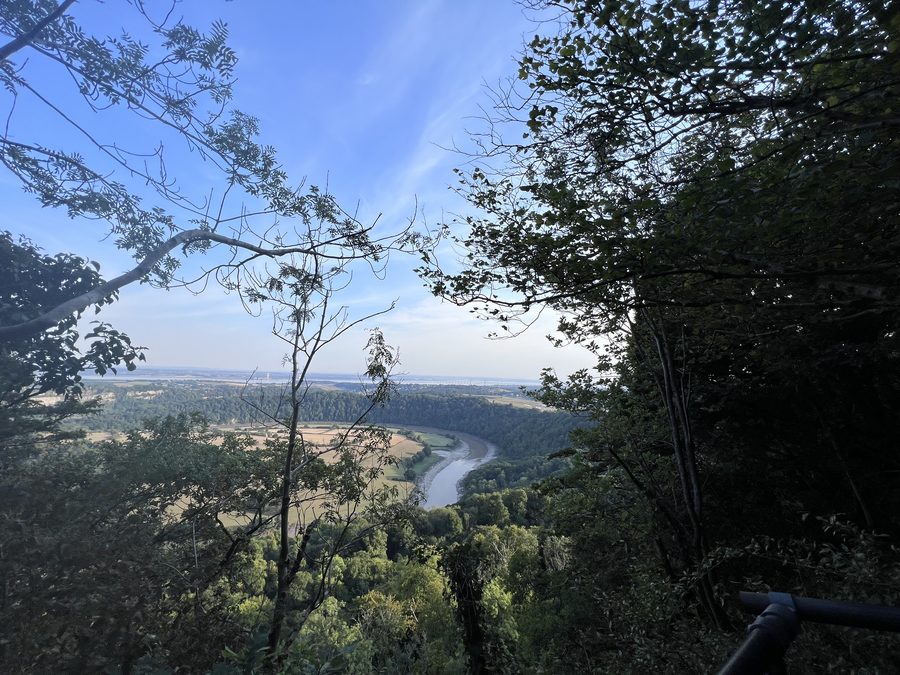
The 365 Steps, and why nobody agrees how many there are
A Victorian staircase goes up the face of the Wyndcliff to the highest point on the Monmouthshire bank of the Wye. The name is a lie, the view is not, and a quarter of Britain's rarest bats live in the wood you climb through.
29 July 2026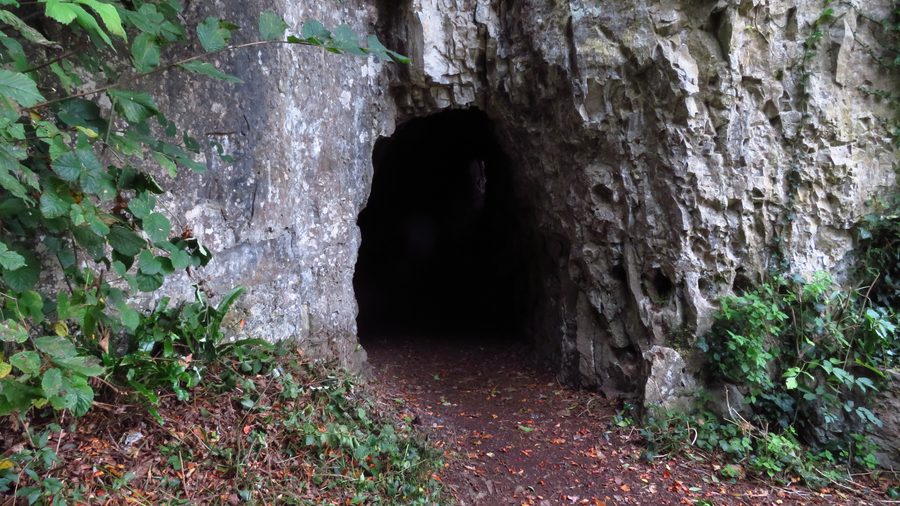
Piercefield: the cliff walk that invented the day out
Three hundred years ago a man stood on this cliff and decided the view was worth building for. What he made became the first tourist attraction in Britain, and most of it is still here, under the moss, waiting to be walked.
29 July 2026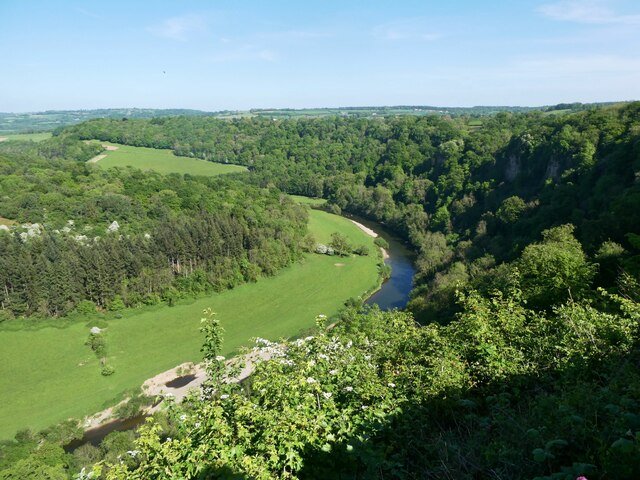
Symonds Yat: the wrong Symonds, a ferry pulled by hand, and the fastest animal alive
A rock 120 metres above a river that bends almost back into itself, a village you cross by rope-pulled ferry because the road takes five miles, peregrines watched through telescopes every summer since 1982, and a cave that held mammoth, hyena and one geologist with dynamite. Symonds Yat, told properly.
6 August 2026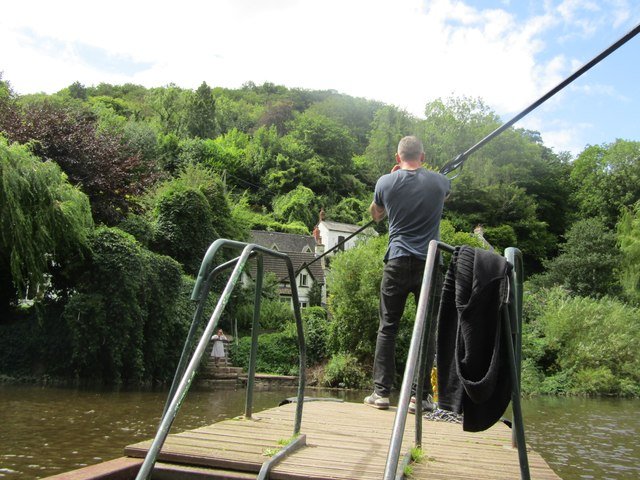
A Wye Valley summer: a poem with the date in its title, peregrines on the clock, and the truth about the water
The most famous summer walk in English poetry happened here, and the date is in the poem's title: 13 July 1798. Summer in the Wye Valley still works the same way, boats on the river, peregrines over the gorge until August, cool climbs under full canopy, and an abbey open to the sky. What the season offers, what the crowds do, and an honest word about the river itself.
6 August 2026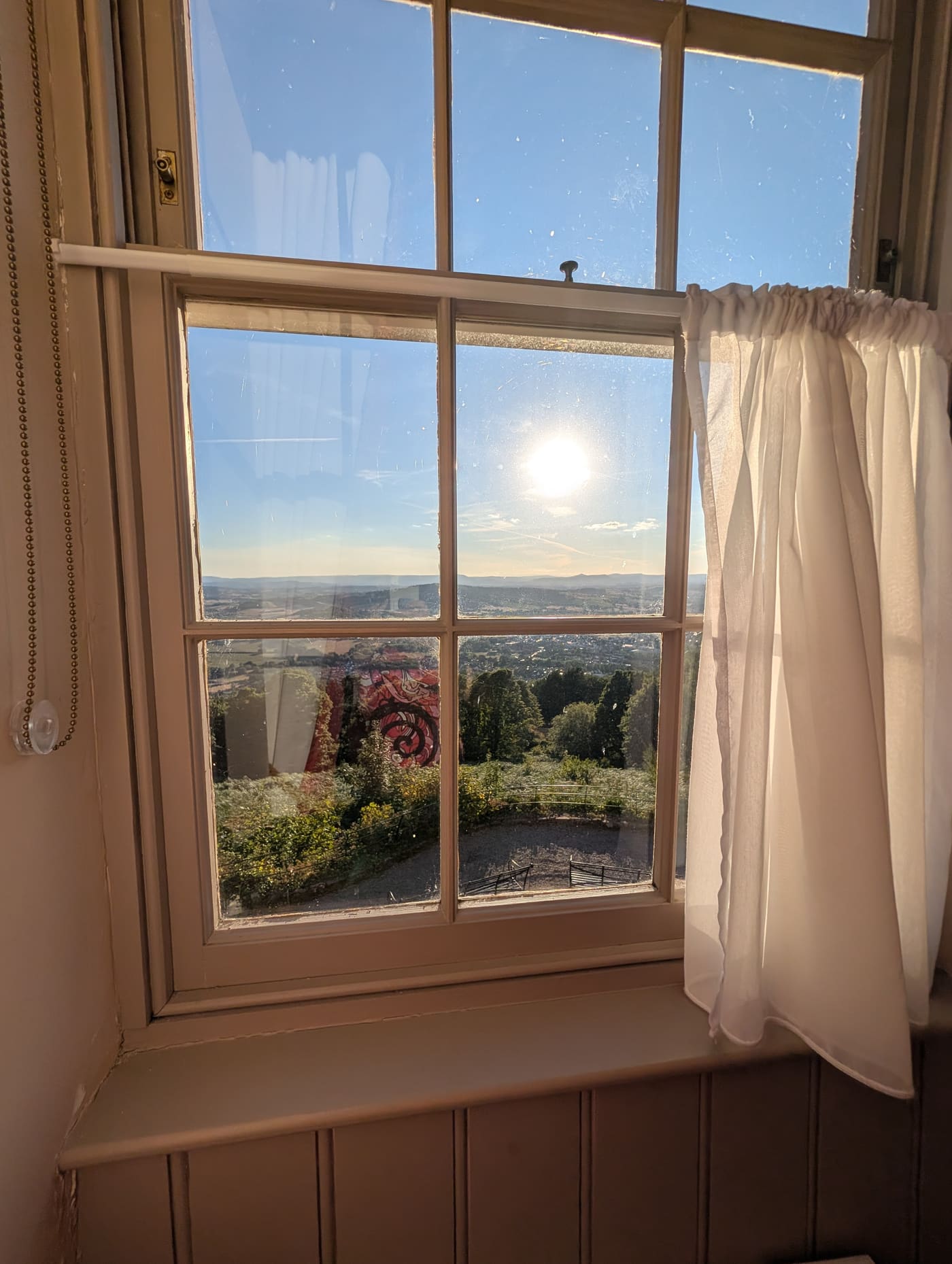
The Kymin: the round house above Monmouth you can live in for a week
On a Friday evening above Monmouth, scouting somewhere to watch the eclipse, we met a couple staying in the Round House, the 1794 banqueting tower the National Trust lets you live in for a week. They invited us in for a look, and their route through Wales is worth borrowing.
9 August 2026Forest of Dean
11 field notes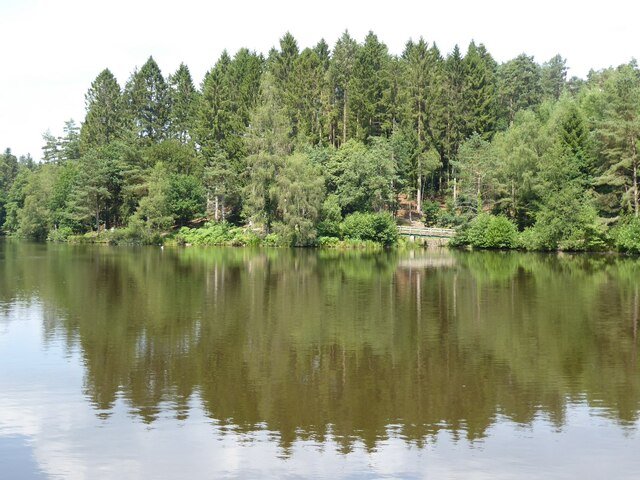
A Forest of Dean summer: whinberries, dragonflies, and a swimming pool that was a birthday present
What summer is actually for in the Forest of Dean: foxgloves flooding the felled clearings, whinberries ripening low in the July heath, dragonflies over ponds the ironworks left behind, a volunteer-run open air pool given to a town in 1920, and a waterfall a vanished estate forgot to take with it. Where the season lives, the one rule about the water, and the lakes where you really can get in.
6 August 2026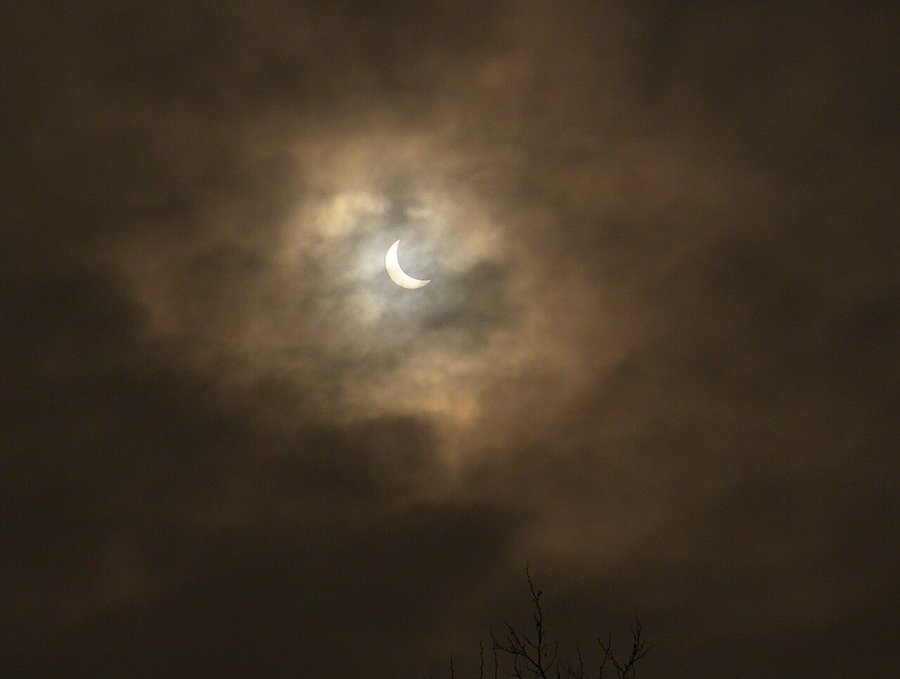
Eclipse night, 12 August 2026: a 93 percent eclipse at sunset, and why you need to get out of the trees
On Wednesday evening the Moon covers around 93 percent of the Sun over the Forest of Dean and Wye Valley, the deepest eclipse seen from this part of Britain since 1999. The same night, the Perseids peak under a moonless sky. The one enemy is the tree at the end of the car park. Where to go west of the Severn, and how to look without hurting your eyes.
6 August 2026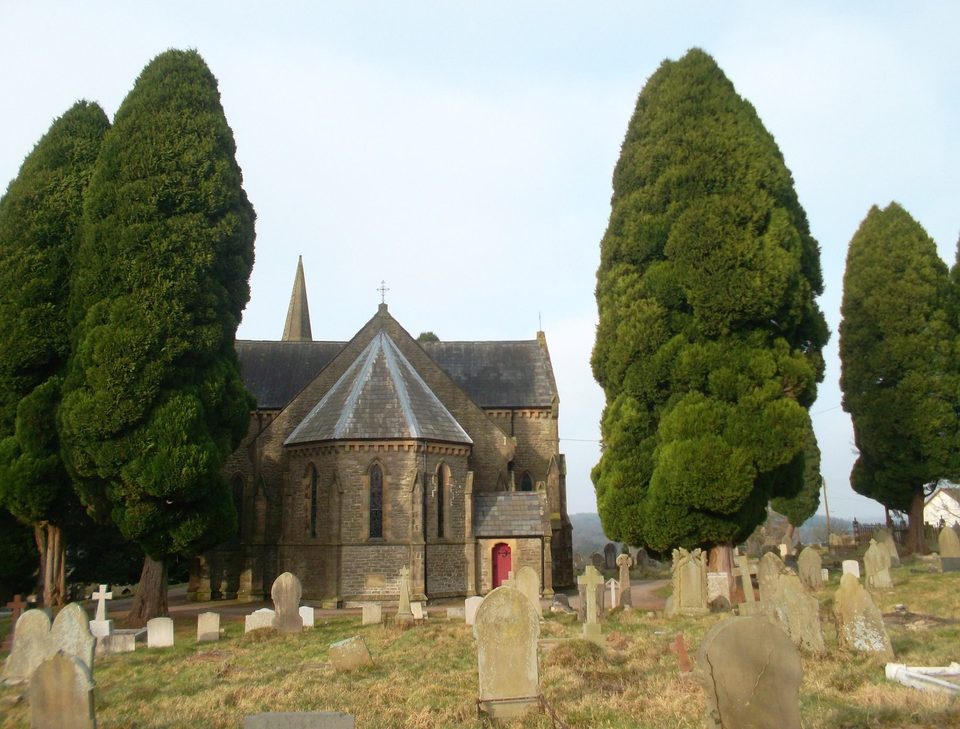
The wise woman of Cinderford: Ellen Hayward and the Forest's last witch trial
In a Cinderford churchyard stands a gravestone erected by friends for Ellen Hayward, the Forest of Dean's last person charged with witchcraft. She was no witch: she was a cunning woman, a herbalist who treated rich and poor, got asked about in Parliament after a strange outbreak of fear under May Hill, and was laughed out of Littledean court in 1906. People still leave coins on her grave.
23 August 2026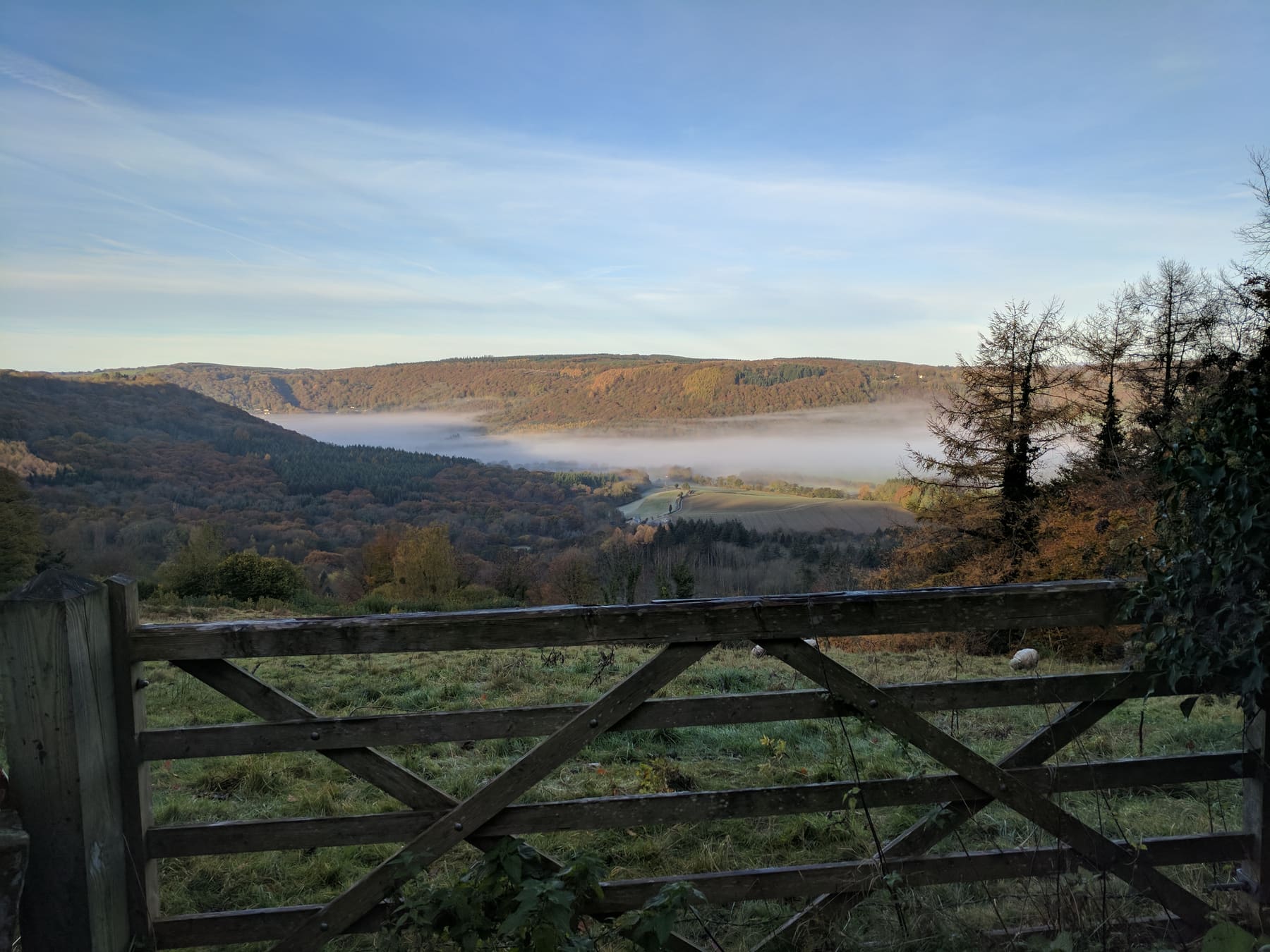
The gate on Cinderhill, St Briavels: the photograph I kept taking
About ten years ago, on a 7am commute out of a bad chapter, I started stopping at the same field gate above St Briavels to photograph the Wye Valley. The view was never the same twice. This is one of the places whimsee began.
9 August 2026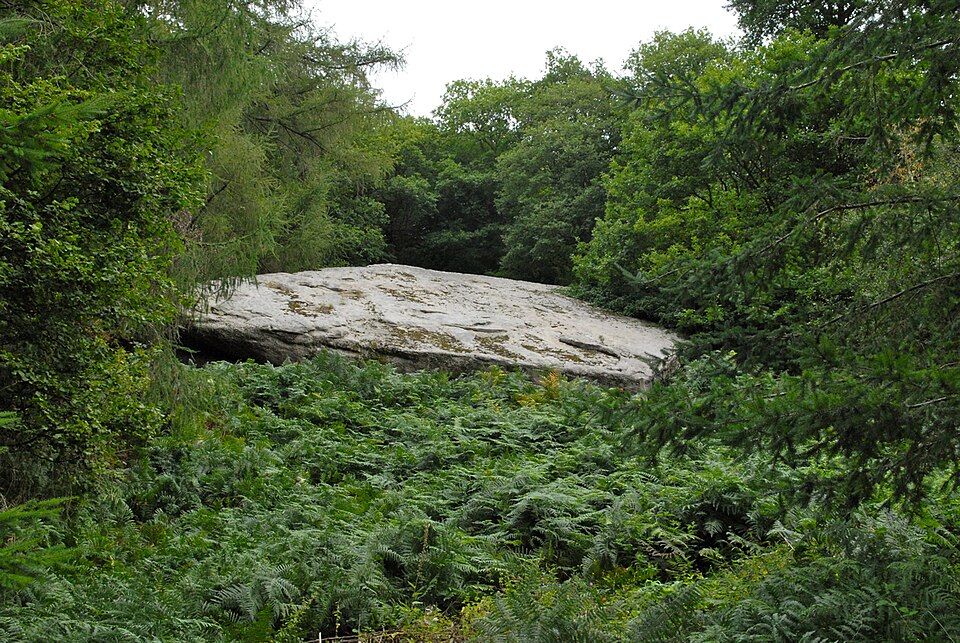
The stones of Staunton: a rocking stone, a bleeding stone, and the biggest boulder in Britain
One small village on the edge of the Forest of Dean has a rocking stone that six drunk men toppled in 1885, a roadside standing stone said to bleed if you prick it at midnight, and the largest loose block of stone in England and Wales lying in its woods. A walk round all of them, and the stones you cannot visit.
1 August 2026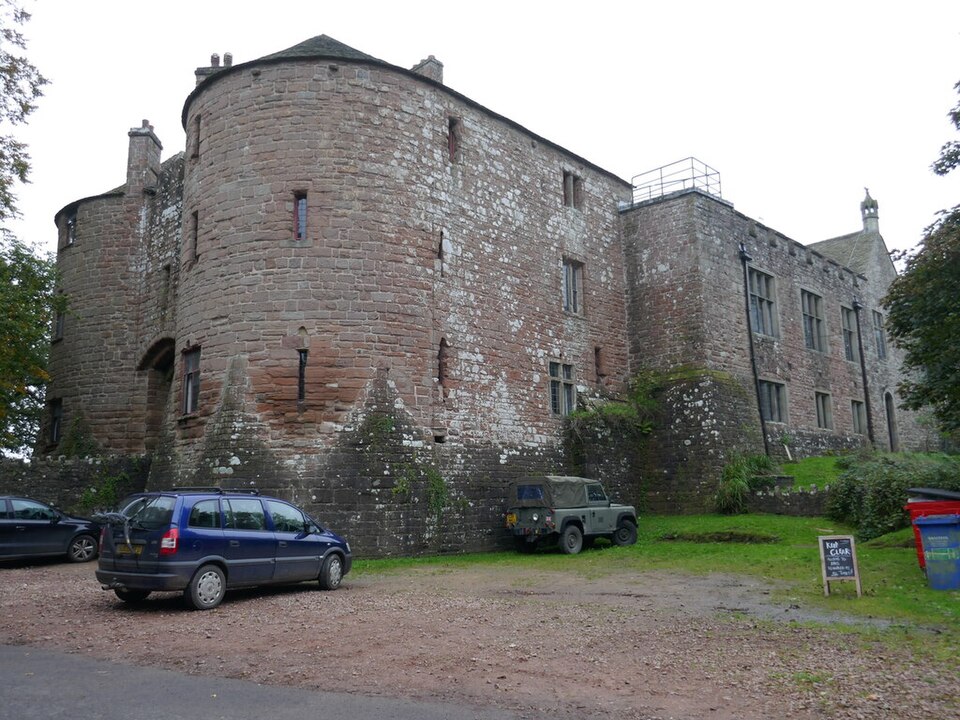
St Briavels: the castle that armed a kingdom, and the village that pays its rent in cheese
A quiet village on a ridge above the Wye was once the capital of the Forest of Dean and the crossbow bolt factory of medieval England. Its castle is now a youth hostel, its miners' rights still turn on where you were born, and every Whit Sunday bread and cheese is thrown to the crowd, as it has been since at least 1779.
1 August 2026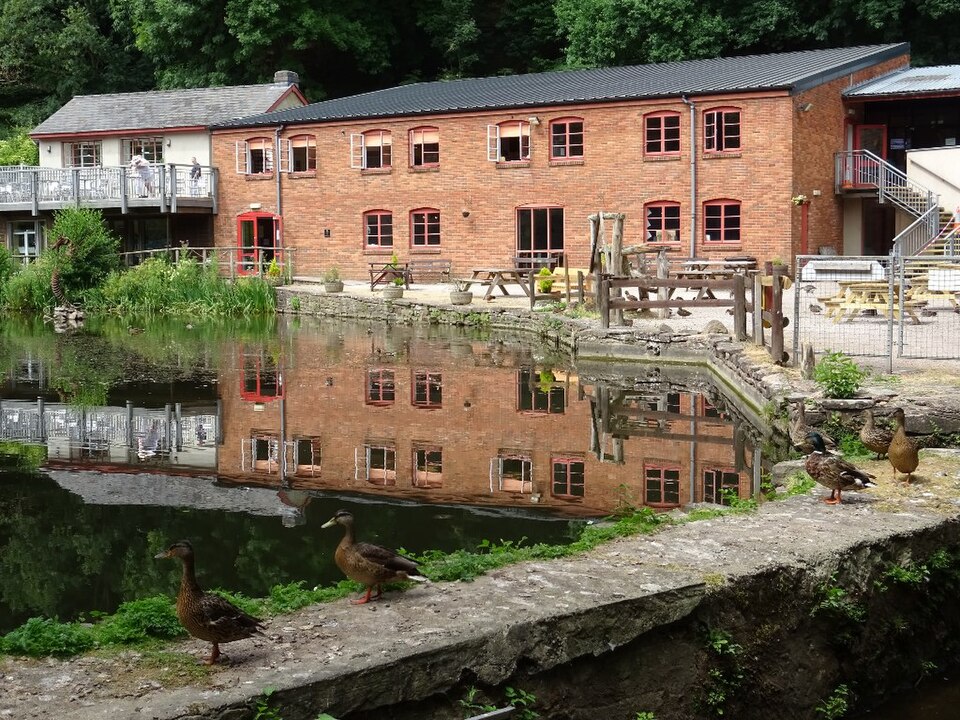
Soudley: the valley where the Forest keeps its memory, and its voice
Four ponds nobody can quite explain, a museum built out of fear in an old mill, and the last strongholds of Forest of Dean dialect: ow bist, old butty. A walk down the Soudley valley, into the Dean Heritage Centre, and up to the Forest's one great window on the Severn.
1 August 2026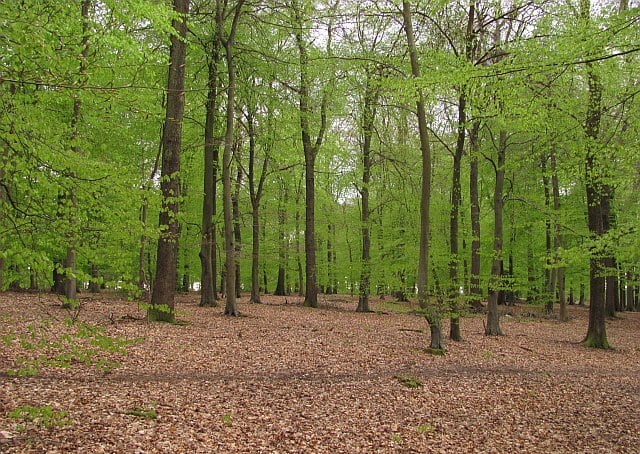
The concrete in the trees: Broadwell's American war
Walkers keep finding old foundations in the woods above Worcester Walk near Coleford, with fifty year old trees growing through them, and no map that says what they were. They are the remains of a wartime ammunition camp: British in 1940, American from 1943, part of one of the biggest US ammunition depots in England. The GIs, the segregated dance at Broadwell Community Hall, the Italian prisoners who built a monument to Marconi, and the archaeologists who finally put the huts back on the map.
17 August 2026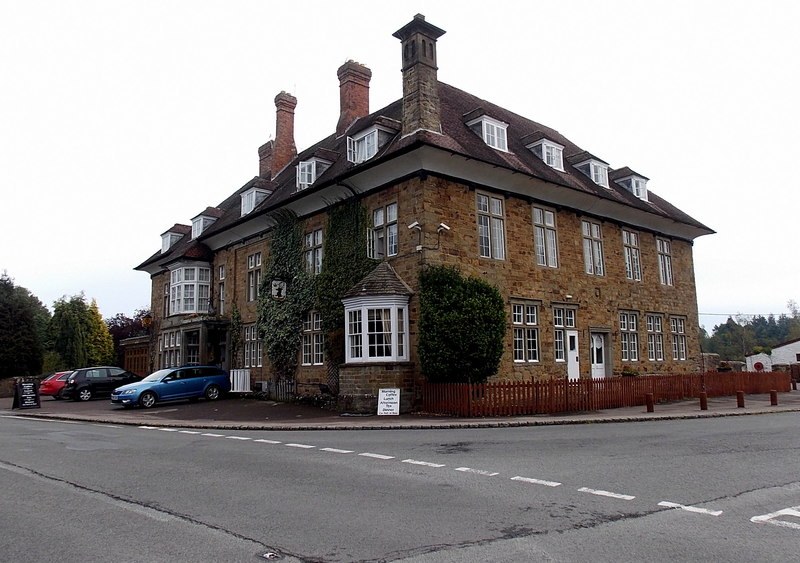
The Speech House: a courtroom in the middle of the Forest, still in session
A hotel whose dining room is a working courtroom, where the verderers of the Forest of Dean have met since the 1670s. Next door, the Cyril Hart Arboretum grows trees a plant hunter carried back from China, and over the road stand two oaks planted by Queen Elizabeth II in 1957. The Speech House, the enclosure riots, and the man they transported for tearing the fences down.
10 August 2026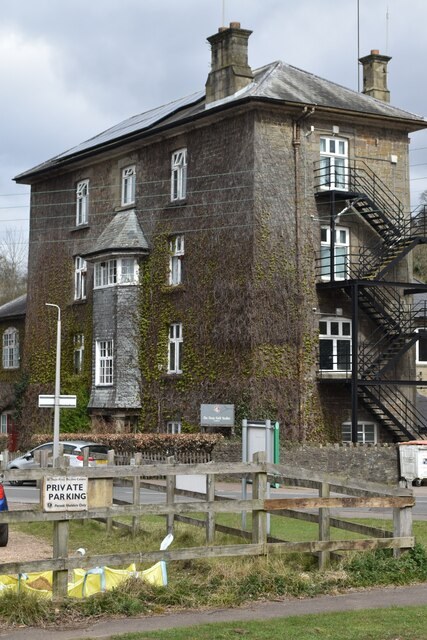
Parkend: the iron village where everything gets a second life
A steam railway that was a coal tramroad, a goshawk viewpoint that was a colliery spoil heap, oaks where the nest boxes have been watched since 1948, and a four storey engine house that became a forestry school, a wartime billet and a house full of schoolchildren. A day in Parkend, in the middle of the Forest of Dean.
10 August 2026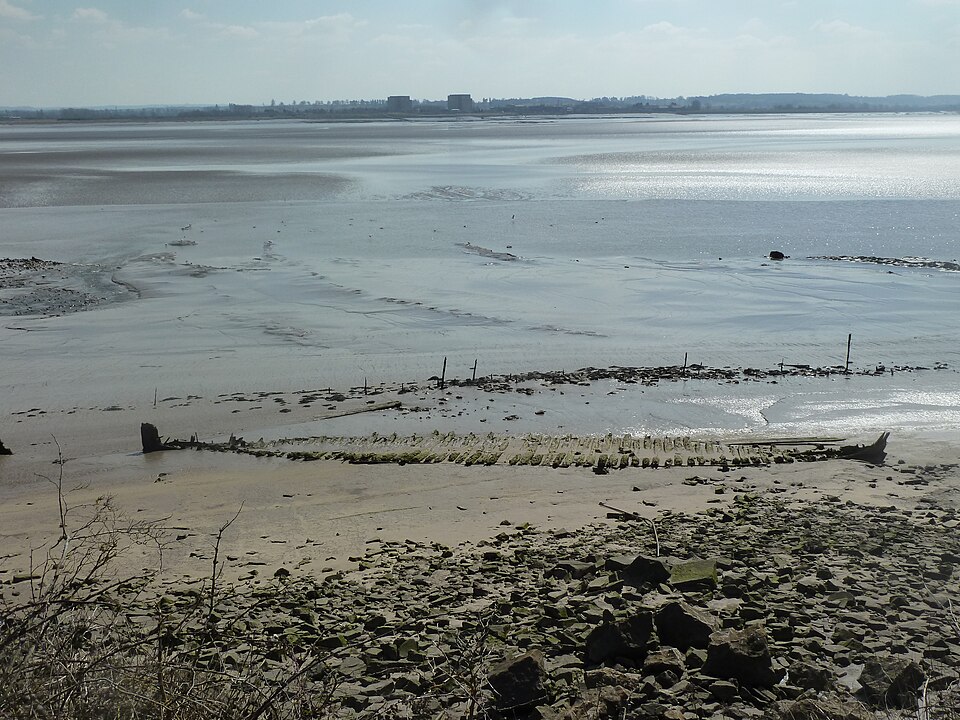
Lydney: two birthday presents, a boating lake with no boats, and a curse on the hill
A man gave this town a park because his son turned twenty five. Twenty eight years later that son gave it a swimming pool, because his own son turned twenty one. Then there are the ships they sank on purpose, the plywood that flew over Normandy, and a Roman curse half the internet believes became the One Ring.
31 July 2026